Emerson Presents Steam System Safety Automation
Advanced Fuel Safety Shut-Off Valve Solutions Designed for Flexibility and Tough Operating Conditions
Published May 7, 2026

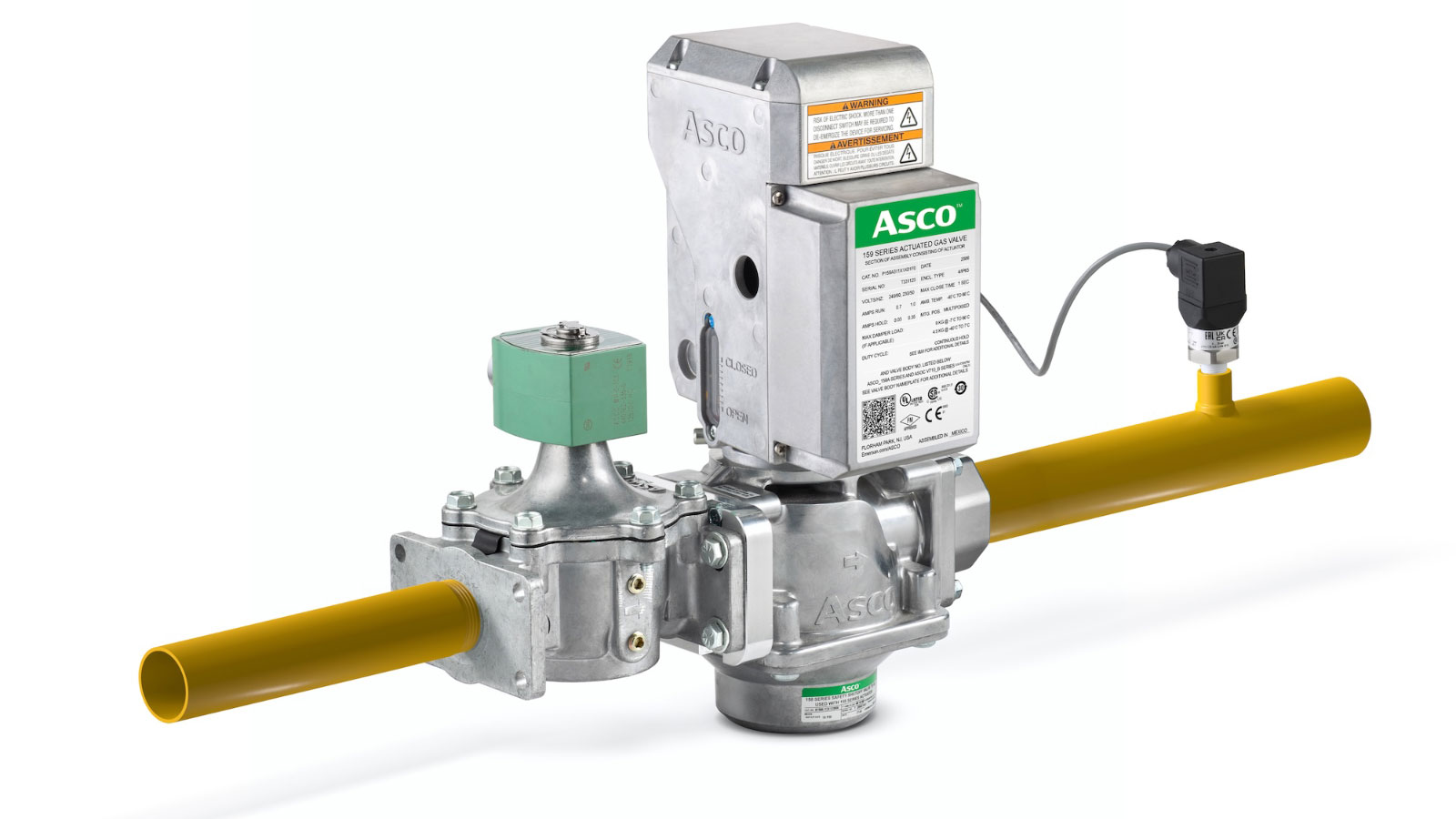
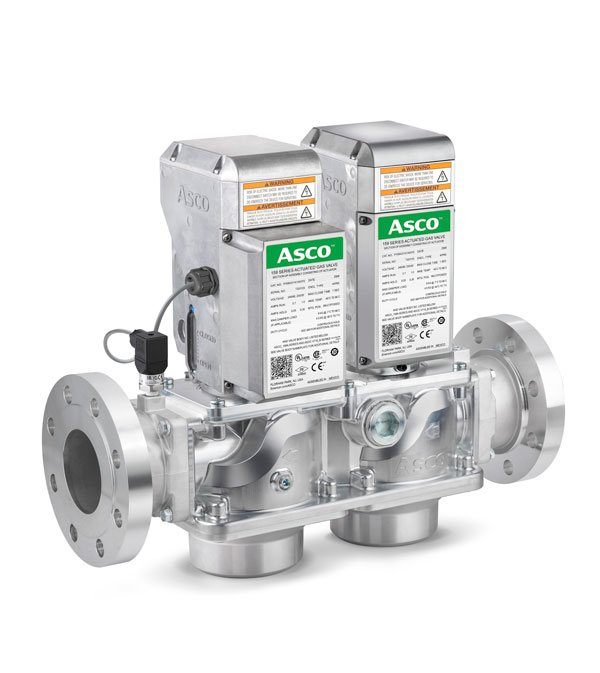
Emerson's electronic pressure setting interface (Series 158/9) allows for fast, precise adjustments.
Engineered to perform across a wide range of operating conditions, Emerson’s latest safety valve configurations support fuel train simplification, high-flow performance in low-pressure environments, and compatibility with alternative fuels, helping engineers future-proof boiler systems without added complexity.
Emerson also highlighted how its broader automation, measurement, and final control portfolio worked together to help boiler OEMs and operators improve efficiency, reliability, and environmental performance across the entire steam lifecycle — from combustion and fuel management to water quality and blowdown optimization to system monitoring and safety protection. By bringing multiple Emerson technologies together, customers were able to address key industry challenges such as rising energy costs, emissions compliance requirements, workforce skill gaps, and the need to minimize unplanned downtime.
Product & Solution Highlights
Fuel Gas Safety Shut-Off Valve Solutions
- High-heat output double safety shut-off valve with integrated pressure regulator
- Electronic pressure setting interface (Series 158/9) for fast, precise adjustments
- High flow factor enables fuel train downsizing and helps avoid shutdowns in low-pressure areas (e.g., NYC)
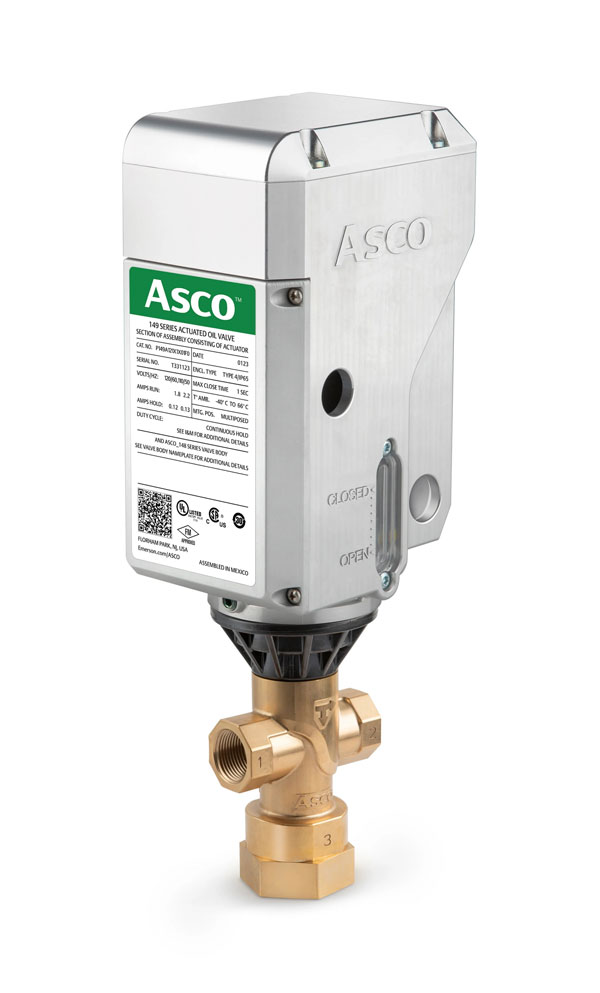
Fuel Oil Safety Shut-Off Valve Solutions
- Proof of Closure & visual indication for enhanced operational safety
- Modular solenoid valve configurations for a wide range of fuel oil applications
- Biodiesel-certified designs supporting alternative fuel strategies
Designed for Flexibility & Tough Conditions
Key Series: 158/9, 148/9, 214/5
- Lowest temperature rating on the market — no external electric heater required
- Alternative fuel compatibility (biodiesel & H₂S)
- Suitable for indoor or outdoor installation with optional Type 4 / 4X watertight enclosures
- Broad size range from pilot lines to high heat-output main lines
Reduced Total Cost of Ownership
- Broader pressure range can eliminate one stage of pressure regulation
- Potential use as overpressure protection, removing the need for a separate device
- Stronger actuation enables smaller valve sizing (Series 158/9)
- Combined solenoid and motorized technology reduces system footprint and overall system cost