Precision Miniature Bearings for Humanoid Robotics
Why They Matter for Performance and Reliability
Published May 26, 2026

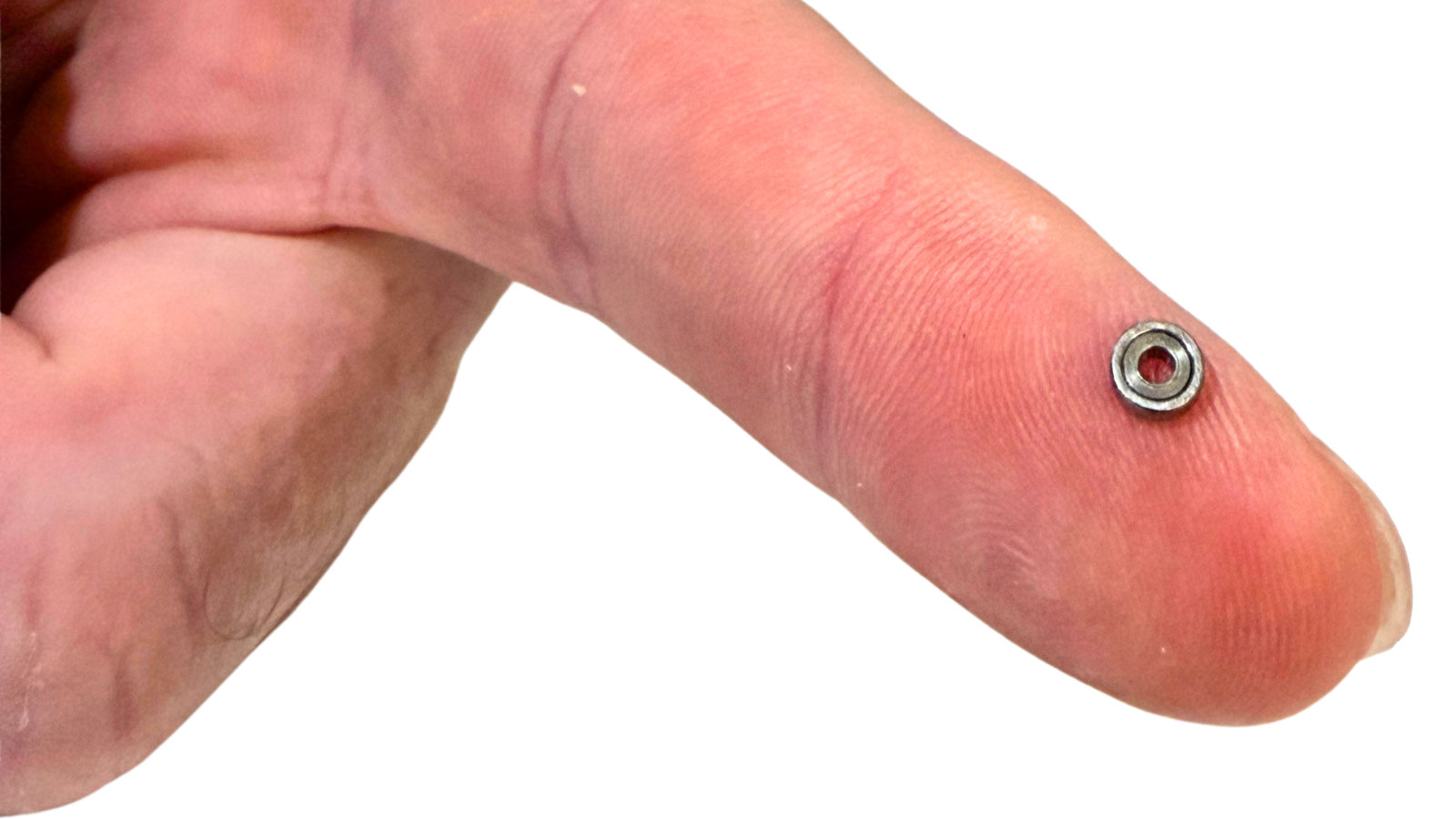
EZO miniature bearings from SPB-USA range from 0.06 mm bore diameter up to 90 mm bore diameter
The rise of humanoid robotics is transforming light and heavy industrial manufacturing as well as logistics, healthcare and service automation. These advanced robotic systems are designed to replicate human movement with precision, flexibility, and repeatability. To accomplish this, every internal component must operate with exceptional accuracy. One of the most critical components making this possible is the precision miniature and ultra-thin bearing.
In humanoid robots, miniature bearings are essential for enabling smooth movement in robotic joints, actuators, sensors and end effectors. They help improve efficiency and support the compact designs required in modern robotic systems. For manufacturers, choosing the right miniature bearings for robotics directly affects product performance, reliability, long-term operating costs and company image.
Precision miniature and ultra-thin bearings are engineered to meet the demanding requirements of robotic applications where compact size, precision and durability are essential. Quality precision miniature and ultra-thin bearings enhance humanoid robot movement, extend operating life, and enhance overall system efficiency.
Improving Humanoid Robot Movement
Humanoid robots rely on a wide range of articulated joints to replicate human motion. Shoulders, elbows, wrists, ankles, knees, neck and finger assemblies all require smooth and articulate rotational movement. These movements depend on the quality of the robotic joint bearings used inside each assembly.
Precision miniature and ultra-thin bearings are manufactured to extremely tight tolerances, allowing robotic joints to move smoothly while maintaining precise alignment. This level of accuracy is essential for humanoid robots that need to perform repetitive tasks, maintain balance, and execute controlled movements in real time.
By reducing internal resistance and maintaining consistent rotational performance, these precision miniature bearings for humanoid robotics support:
- Improved joint accuracy
- Smoother movement
- Better positioning repeatability
- Enhanced robot stability
These benefits are critical in applications such as robotic assembly, collaborative robots, medical robotics, and autonomous handling systems where precision motion determines overall performance.
Creating Smaller Robotic Designs
One of the biggest challenges in humanoid robotics is fitting high performance motion systems into limited space. Robotic engineers must design joints and actuators that are compact while still delivering the strength and precision needed for movement.
Precision miniature bearings are available in a wide range of inch and metric sizes, with bore diameters as small as 0.6 mm, making them ideal for compact robotic systems. Their small footprint allows designers to create smaller joints and actuators without compromising performance.
Using compact miniature bearings in robotics helps manufacturers achieve:
- Reduced robotic joint size
- Lower overall robot weight
- Enhance design flexibility
- Improved mobility and dexterity
These advantages are especially important in humanoid robotics, where lighter and smaller systems improve agility and reduce the amount of energy required for movement.
Low-Friction Bearings Improve Energy Efficiency in Humanoid Robots
Energy efficiency is a major concern in humanoid robotics, especially for battery powered systems. Every robotic joint consumes power, and friction inside rotating components increases motor load and drains energy faster. Miniature and ultra-thin bearings are innately designed to reduce rotational resistance, allowing motors to operate more efficiently. Key friction reducing features include hybrid ceramic (silicon nitride) balls within the bearing, and graphite dry lubricants. These help improve the performance of robotic systems while lowering energy consumption.
For manufacturers, the benefits include:
- Reduced power usage
- Longer battery life
- Lower motor heat generation
- Smaller motor requirements
Improved efficiency is one of the key advantages of using precision miniature bearings in robotic actuators, especially in mobile humanoid robots where operating time directly affects productivity.
Reducing Maintenance and Downtime
Humanoid robots often operate continuously in demanding environments where downtime can be expensive. Bearings that wear prematurely can lead to maintenance issues, unexpected failures, and reduced system performance.
High quality precision miniature bearings are manufactured using premium materials including chrome steel, stainless steel, and hybrid ceramic options. These materials provide excellent wear resistance and long term durability in high cycle applications.
Using high quality materials in precision miniature bearings improves the overall dependability of humanoid robotic systems while reducing warranty claims and maintenance requirements.
Quiet Robotic Bearings Improve Human Interaction
As humanoid robots become more commercially common in workplaces, hospitals, and public environments, quiet operation is becoming increasingly important. Noise and vibration can reduce user confidence and negatively affect the perceived quality of a robotic system.
Precision miniature and ultra-thin bearings are perfectly suited for smooth, quiet operation with minimal vibration. This allows humanoid robots to function more naturally in environments where they interact directly with people.
Quiet operation is especially valuable in:
- Collaborative robots
- Service robots
- Healthcare robots
- Hospitality robots
By improving smoothness and reducing noise, precision miniature bearings help manufacturers create robotic systems that deliver a better user experience.
Precision Bearings Help Humanoid Robot Manufacturers Innovate Faster
The ability to design smaller, smarter, and more efficient robots depends on the quality of every motion component. Precision miniature and ultra-thin bearings play a vital role in helping manufacturers improve product performance while speeding development cycles.
A reputable provider will ensure their precision miniature and ultra-thin bearings are manufactured to strict quality standards, helping OEMs achieve consistency across production runs and reduce variability during assembly. This enables robotic manufacturers to accelerate development and bring innovative products to market faster.
For humanoid robot manufacturers, these benefits support faster innovation and stronger competitive positioning in a rapidly growing market.
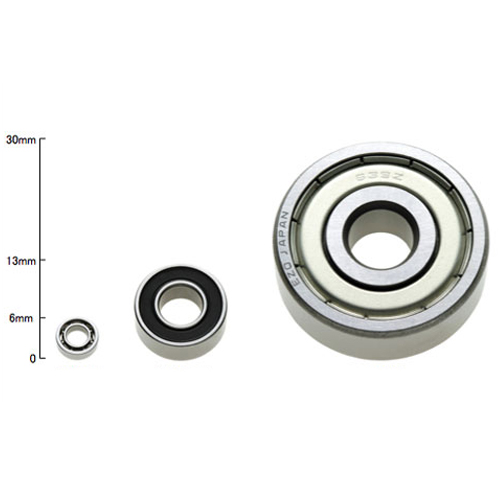
SPB-USA Precision Miniature Bearings for Humanoid Robotics
As the demand for humanoid robotics grows, manufacturers need components that deliver precision, efficiency, durability, compact performance and reliability. SPB-USA, a Solve Industrial brand, provides EZO bearings, which are designed for high precision, low noise, tight tolerances, and long life.
Their ability to provide precise rotational accuracy, compact design performance, low friction efficiency, long-term reliability and quiet operation makes them suited for humanoid robotics applications.
For manufacturers, these bearings help improve robotic system performance while reducing maintenance, extending battery life, and enabling more compact designs.
As humanoid robotics continues to evolve, precision miniature and ultra-thin bearings will remain a core technology driving better movement, greater efficiency, and improved reliability. The performance advantages manufacturers need to build the next generation of advanced humanoid robotic systems can be found in miniature precision and ultra-thin bearings.